
If you want a better phone camera without paying flagship money, start with the photo problem, not the megapixel number.
For most people, the safest first open is still a Pixel A-series phone. If zoom matters, the interesting budget lane is Nothing’s Phone (3a) Pro. If you want iPhone video and Apple social comfort, the iPhone 17e is a stretch option, not a cheap one. If you want Samsung software and long support, Galaxy A57/A56 pricing has to be good enough to justify choosing it for the whole phone, not just the camera.
That is the shape of this guide: what to open first, why it belongs on the shortlist, and what to test before the return window closes.
Start Here
Use this as the fast shopping map before reading reviews, watching sample videos, or comparing spec sheets.
Buy for the photo you actually take
A phone that is excellent for indoor family photos may still be weak for zoom. A phone that records easy social video may have no ultrawide lens. The best budget camera phone is the one whose compromise matches your life.
Find Your Best Camera Phone Match
Find out with three clicks which camera phone best solves your everyday photo problem:
📸 Price2Click Camera Phone Matcher
Choose what you shoot most, your budget target, and your preferred ecosystem:
The Picks
These are not lab rankings. They are the lanes we would open first when helping a normal buyer avoid a disappointing camera phone.
| Open first if... | Phone lane | Why it earns a look | Skip if... |
|---|---|---|---|
| You want the safest Android camera | Google Pixel 10a | Reliable point-and-shoot processing, 48MP wide camera, ultrawide, OIS, 4K video and seven years of updates. | You need a real telephoto lens or a big hardware jump over the previous Pixel A-series. |
| You care about zoom on a budget | Nothing Phone (3a) Pro | A rare budget/value phone with real telephoto ambition and a strong portrait/travel angle. | You need easy U.S. carrier certainty, best-in-class video/audio, or zero buying caveats. |
| You want Apple video and sharing | iPhone 17e | Apple's simple camera pipeline, 48MP Fusion main camera and 4K Dolby Vision video make it a clean social/video pick. | You need ultrawide, macro, true telephoto or a strict under-$500 purchase. |
| You want Samsung software and support | Galaxy A57, or A56 only at a strong discount | Good all-round phone lane with Samsung ecosystem comfort and long support story. | The price is close to better camera-first options, or you mainly care about zoom and low light. |
| You are comfortable buying certified refurbished | Refurb Pixel, Galaxy or iPhone flagship | A former flagship can bring better sensors, zoom and stabilization than a new midrange phone. | Warranty, battery health, carrier lock or return terms are unclear. |
Prices move quickly in this category. Before buying, compare the unlocked cash price, storage size, return window and warranty. Do not count trade-in credits or carrier bill credits as the normal price unless you are actually comfortable with that contract.
Best Safe Android Pick: Google Pixel 10a
The Pixel 10a is the phone we would open first for a reader who says, “I just want my photos to come out right.”
That does not mean it has the most exciting camera hardware. The reason Pixel A-series phones keep mattering is that they make boring, difficult scenes easier: a face near a window, food at a restaurant, a receipt, a pet on the couch, a child who will not stand still, or a night street photo where cheaper processing often turns everything into mush.

Google Pixel 10a
Open this first if you want the most dependable everyday camera path and long update support without paying flagship money.
- 48MP wide camera
- 13MP ultrawide
- OIS on the wide camera
- 7 years of updates
Who should skip it? Anyone whose whole reason for upgrading is zoom. Pixel’s Super Res Zoom can be useful, but it is not the same thing as a real telephoto lens. If you often shoot concerts, school events from the back row, travel details across a street, or pets from across the room, compare the Nothing lane before buying.
Best Budget Zoom Pick: Nothing Phone (3a) Pro
Most budget phones pretend to have camera versatility. They list multiple lenses, then one or two of them turn out to be weak filler. The Nothing Phone (3a) Pro is interesting because it is trying to give budget buyers something they rarely get: a meaningful telephoto/portrait lane.
That matters if your bad photos are not “the scene was too dark” but “I could not get close enough.” Kids on a stage, a dog in the yard, street details on a trip, product photos for a small shop, portraits with a less phone-like look: those are the cases where a zoom lane can be more useful than another flat wide-camera phone.
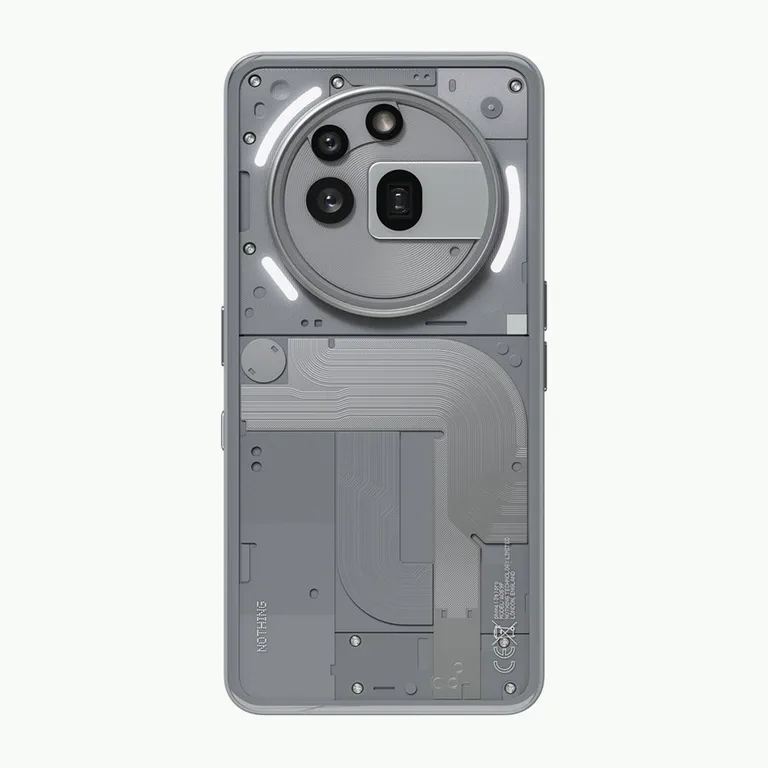
Nothing Phone (3a) Pro
Open this if zoom, portraits and travel details matter enough that you are willing to check carrier compatibility and return terms carefully.
- Telephoto-focused value
- 12GB / 256GB U.S. Beta route
- Good portrait/travel angle
- Carrier caveat required
If you are in the U.S. and hate fiddly compatibility checks, this may not be your safest buy. If you are comfortable checking carrier support and returning quickly if something feels wrong, it is one of the more interesting value-camera phones to compare.
Best Apple Video Stretch Pick: iPhone 17e
The iPhone 17e is not the cheap pick. It belongs here because some readers are not deciding between all phones; they are deciding between “affordable iPhone” and “old iPhone that needs replacing.”
If your camera problem is video, family clips, FaceTime, AirDrop, iMessage sharing and predictable social-media output, the iPhone lane makes sense. Apple’s camera app is simple, the video pipeline is strong, and the phone is easy to recommend to someone who does not want to learn a new ecosystem.
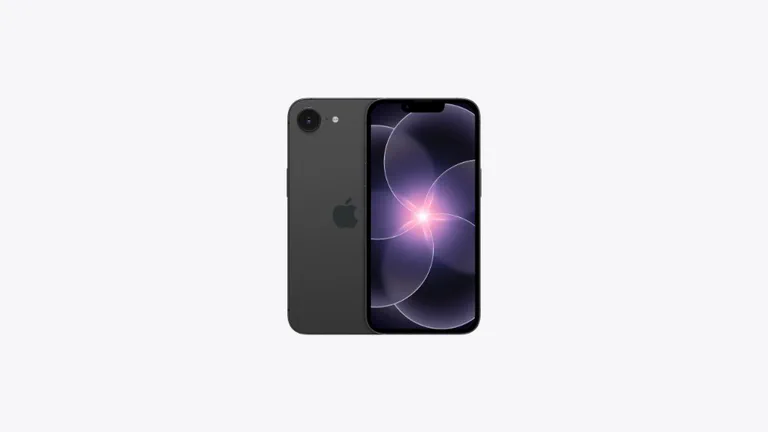
iPhone 17e
Open this if you want Apple camera behavior and video reliability more than the lowest possible price.
- 48MP Fusion camera
- 1x and 2x options
- 4K Dolby Vision up to 60 fps
- Apple ecosystem comfort
Before buying it, compare a certified refurbished iPhone with better camera hardware. If the refurb warranty, battery, return window and storage are clean, a previous Pro model can sometimes be the more exciting camera purchase.
Best Samsung Deal Lane: Galaxy A57 / A56
Samsung’s A-series can be a good phone to live with. The question is whether it is the best camera phone to buy at the price in front of you.
At current unlocked pricing, the Galaxy A57 is not the camera-first bargain we would lead with. It makes more sense when you care about Samsung software, display quality, long support, carrier availability and trade-in/deal convenience. If the A56 is still available at a strong discount, it can be part of the comparison, but do not pay near-new money for last year’s midrange camera.
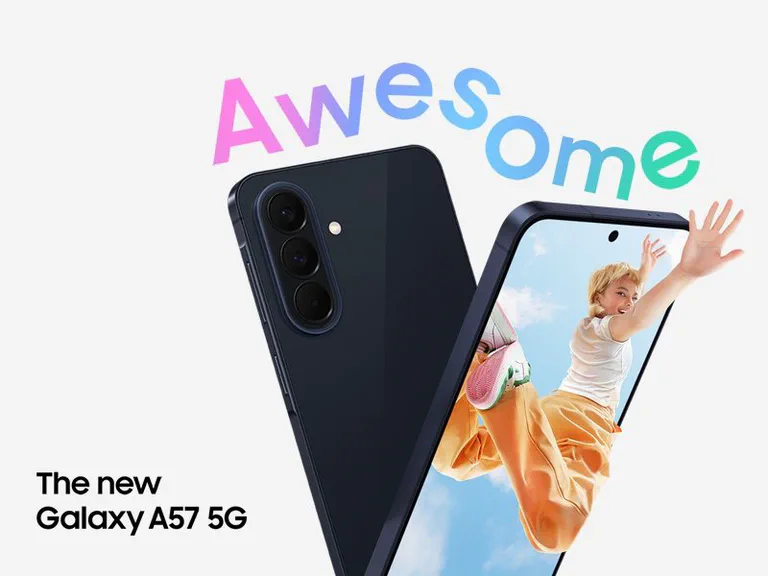
Galaxy A57, or A56 only if discounted
Open this lane when you want Samsung comfort and a good all-round phone, not when you are chasing the strongest camera value.
- Samsung One UI
- Long support story
- Decent everyday camera
- Deal-sensitive pick
The useful rule: buy Samsung here if the whole phone package wins for you. Do not buy it just because the spec sheet lists several cameras.
The Refurbished Flagship Shortcut
A certified refurbished flagship can be the smartest camera-phone purchase, and also the easiest way to make a mistake.
The upside is obvious: a former Pro/Ultra/flagship Pixel, Galaxy or iPhone can have better sensors, better stabilization, stronger zoom and a more premium camera pipeline than a new midrange phone. The downside is just as real: battery health, carrier lock, warranty, water resistance, return terms and storage can turn the “deal” into a headache.

Certified refurbished iPhone, Galaxy or Pixel flagship
Open this route when camera hardware matters more than buying a brand-new midrange phone, but only keep the deal if warranty, battery, storage, unlock status and return terms are clear.
- Former flagship camera hardware
- Warranty must be explicit
- Battery and unlock status matter
- Best when price gap is obvious
Use this lane only if the seller makes these things clear:
- certified/refurbished status, not just “used”;
- warranty length;
- return window;
- unlocked/carrier status;
- battery health or replacement policy;
- storage size;
- visible condition;
- whether accessories are included.
If any of those are vague, the safer new phone may be the better buy even if the camera hardware is less exciting.
Choose By The Photo Problem
Here is the quick way to avoid the wrong phone.
| Your usual bad photo | What matters most | Start with |
|---|---|---|
| Blurry kids or pets indoors | Fast processing, shutter behavior, stabilization and skin tone. | Pixel 10a, then iPhone 17e if you want Apple. |
| People or details too far away | A real telephoto lens or a strong refurb flagship camera. | Nothing Phone (3a) Pro, then certified refurb flagship. |
| Shaky video or poor social clips | Stabilization, audio, color consistency and easy sharing. | iPhone 17e, then Pixel 10a. |
| Receipts, food, products or documents | Reliable autofocus, detail and processing without fiddling. | Pixel 10a or Samsung if the overall phone deal is better. |
| Travel photos in daylight | Main camera, ultrawide, zoom and battery life together. | Pixel 10a for ease, Nothing for zoom, refurb flagship if warranty is clean. |
Notice what is missing from that table: megapixel bragging. A 200MP label can still produce worse photos than a calmer camera with better processing, stabilization and lens choice.
New Budget Phone vs Certified Refurbished Flagship
If you are deciding between a new midrange phone and a certified refurb flagship, ask this:
Do I want the safer purchase or the stronger camera hardware?
A new midrange phone usually gives you:
- easier returns;
- full battery life from day one (and if you want to keep it that way, read our battery health and charging guide);
- clean warranty;
- fresh software support;
- fewer surprises.
A certified refurb flagship can give you:
- better zoom;
- stronger stabilization;
- better sensor/lens setup;
- premium video features;
- better screen and speakers;
- a more expensive-feeling camera app.
The refurb route becomes attractive when the seller is official or trusted, the warranty is real, the battery is acceptable, the phone is unlocked, and the price is clearly below the new midrange alternatives. If you cannot verify those details, do not romanticize the flagship badge.
Do The 10-Minute Camera Test
Run this before the return window closes. You do not need a lab. You need your real scenes.
- Take a face photo indoors near a window.
- Take the same face photo at night under warm room light.
- Photograph a moving subject: pet, child, hand wave or someone walking.
- Shoot food or a small object up close.
- Scan a receipt or document.
- Use 2x and 5x zoom on a sign, shelf label or book spine.
- Record a 10-second walking video while speaking.
- Take a selfie in normal room light.
- Repeat one low-light scene with Night mode if the phone offers it.
Then look for the ugly stuff:
- faces that look waxy or orange;
- motion blur;
- a shutter that fires too late;
- bright windows blown out to white;
- shadows crushed into black;
- zoom text that turns into mush;
- shaky walking video;
- muffled voice;
- photos that need too much editing before they look normal.
Keep the phone whose bad photos bother you least. That is often more useful than obsessing over which sample gallery won a perfect daylight shot.
When A Real Camera Is Smarter
A phone is the best camera for most everyday life because it is with you. It is not magic.
Consider a real camera if your main subject is:
- sports from far away;
- wildlife;
- concerts from the back;
- serious portraits with lens control;
- learning photography as a hobby;
- printing large photos from difficult light.
For family, travel, food, documents, social clips and everyday memories, a good budget camera phone is usually enough. For distance and deliberate photography, physics still matters.
If that sounds more like your problem, step out of the phone lane and compare our first-camera guide before you spend flagship-phone money trying to solve a camera problem.
If you are deciding whether to stretch beyond this budget lane, compare it with our flagship camera-phone guide before you spend the extra money. If the phone is already good enough and the weak point is the final look, our free photo-editing apps guide is the more useful next step than buying another device.
FAQ
Is a 200MP phone camera better?
Not automatically. Megapixels help only when the sensor, lens, stabilization and processing are good. For normal buyers, a reliable 48MP main camera can beat a higher-megapixel phone with weak software.
Is a refurbished flagship better than a new budget phone?
Sometimes. A certified refurbished flagship can have better zoom and camera hardware. A new budget phone is usually safer for battery, warranty and returns. If the refurb listing is vague, skip it.
Do I need a telephoto lens?
You need it if you often photograph people, pets, signs, stage events or travel details from a distance. If most photos are faces, food, documents and everyday scenes, a strong main camera matters more.
Is Pixel better than Samsung for budget photos?
For simple point-and-shoot photos, Pixel is usually the safer first open. Samsung can still be a better whole-phone buy if the deal is strong, you prefer One UI, or you already live in the Samsung ecosystem.
Should I buy through a carrier deal?
Only if you are happy with the contract, bill credits, unlock rules and plan cost. A carrier deal can be cheaper in practice, but it is not the same as a clean unlocked cash price.
Useful Verification Links
If you want to double-check the current model details before buying, start here: